AC Repair in Kansas City MO: Seasonal Start-Up Inspections Explained
Late winter in Kansas City can feel harmless. One week you are scraping frost off your windshield, the next you are watching your thermometer climb into the 70s and thinking, maybe we are finally done with the cold. Then summer timing does what it always does here, it shows up quickly. That is when a lot of homeowners find out their AC system was “fine” only because it was sitting quietly.
When an air conditioner fails mid-season, it is rarely a mystery. Most problems start months earlier and get revealed when the system finally has to run for real. That is why seasonal start-up inspections matter. They are not just a formality, they are a practical way to catch the kind of issues that do not announce themselves until you need cold air yesterday.
This is also where good HVAC repair practices show up. You can replace a part and get a week of cool air, or you can diagnose what caused the part to fail. The difference comes down to process, and process starts with a proper inspection before the first long run.
Why start-up inspections matter in Kansas City’s weather cycle
Kansas City has a habit of swinging from mild to hot without much warning. That matters for two reasons.
First, if your system did not run hard for a while, a handful of small problems can worsen unnoticed. Capacitors, contactors, and run capacitors can weaken over time. Refrigerant issues can slowly develop, or the system can struggle against a dirty coil. Filters can load up with seasonal dust and pollen, and airflow restrictions turn a normal cycle into an overheating event.
Second, spring weather can be wet and windy. Outdoor units take the hit. Lint, grass clippings, and debris can clog around the condenser coil. Sometimes you will see it. Other times, it is just enough to reduce airflow without looking dramatic. When the fan motor has to work harder, or the coil cannot shed heat, the system can short-cycle or trip protection.
A start-up inspection is your chance to verify that the system you trusted all last year is ready to do the job this year. It is also your chance to avoid “AC repair in Kansas City MO” becoming an emergency call on a 92 degree day.
What a seasonal start-up inspection actually checks
A good HVAC contractor in Kansas City MO does not treat a start-up like a quick look and a thermostat adjustment. It is more like a guided audit. You want checks that confirm the system can start reliably, circulate air correctly, and move heat the way it was designed to.
Every home and every system has its quirks, but inspections generally focus on performance and safety, not just visible condition.
You can think about it in three buckets: electrical readiness, airflow and heat transfer, and controls and drainage.
Electrical readiness: the hidden cause of many early failures
Air conditioners depend on consistent electrical supply and components that have to deliver current within spec. When power delivery is marginal, the system might run briefly and then shut down. When a capacitor is weak, the compressor can struggle to start and draw extra current. When contactors or wiring have corrosion, you may see intermittent operation that feels random.
During start-up, technicians commonly look at the system’s electrical components and make sure everything is clean, tight, and operating correctly. Even if nothing “looks” wrong, electrical testing can uncover issues that are not obvious to a homeowner.
Airflow and heat transfer: the “invisible” problem that shows up fast
If airflow is restricted, the https://www.google.com/search?kgmid=/g/11g2szs6h5 system cannot manage heat properly. That leads to high pressures, short cycling, frozen coils, and in some cases compressor damage.
A dirty evaporator coil, clogged filter media, blocked return vents, or a blower motor that is not moving enough air can all create problems. Start-up is where technicians confirm the system is pulling and pushing air the way it should.
Because Kansas City homes vary widely in duct quality and insulation quality, airflow can be the difference between a system that seems fine and one that fails early. If your home has older ductwork or a few registers that never seem to deliver much air, that will often show up once the system runs continuously.
Controls and drainage: where “it worked last year” can still be wrong
Many homeowners forget that air conditioning is not only about cooling. It also dehumidifies, which means water has to drain correctly. A clogged drain line or an issue with the condensate removal setup can cause overflow, safety shutdowns, or water damage.
Start-up inspections check that the condensate drainage path is clear and that the system is operating through its normal cycle without unusual shutdowns or abnormal smells.
If you have ever noticed a stale odor, dampness near the air handler, or slow draining after heavy humidity, it is worth addressing early rather than waiting for a full-blown problem.
Signs you might need AC maintenance in Kansas City sooner than later
Some issues are subtle until you run the system for real. Others are obvious right away. Even if you plan to schedule maintenance, it helps to know what to watch for so you can spot trouble early and avoid paying for rushed repairs.
Here are the most common “start-up season” clues homeowners mention after we begin troubleshooting.
Low airflow is one. Sometimes you feel it as weak cold air from vents, other times it is simply uneven comfort. A house that is comfortable in one room and warm in another can be about temperature, but it is often about airflow balance or a dirty coil.
A system that starts, runs for a few minutes, and stops is another sign. Short cycling can be caused by airflow problems, refrigerant issues, or electrical instability. The pattern matters. If the system consistently shuts down before it reaches expected operating conditions, it needs diagnosis, not guessing.
Odd noises can also show up right when the system is first asked to work. Rattling from a loose panel, squealing from a blower motor, or humming that seems different than last year are all cues. Sometimes the fix is minor. Sometimes it is a sign of a failing component that will not get better on its own.
If you see any of these symptoms, it is smart to treat them as candidates for AC maintenance in Kansas City rather than “wait and see.” Waiting often turns a manageable repair into a more expensive one.
The start-up day: what you can expect from a careful technician
When a technician arrives for a start-up inspection, you are not just paying for time, you are paying for attention to detail. There is a difference between “turn it on and listen” and a proper evaluation.
A thorough visit usually includes confirming the thermostat calls for cooling correctly, verifying that the system starts consistently, checking key operating conditions, and inspecting key components for cleanliness and physical condition.
You might also get suggestions about filters, duct returns, shade and clearance around the outdoor unit, and practical steps to keep the system running efficiently.
If your system has a variable speed blower or more advanced controls, the technician will pay extra attention to behavior across the cycle. Systems like that can behave differently than older units, and it is easy to misinterpret normal transitions as “something is wrong” if you do not understand how the system is designed to modulate.
A quick homeowner checklist that helps before the tech arrives
You do not have to be an expert, you just need to set the stage for a productive inspection. If you want a simple pre-visit routine, this helps.
- Replace or confirm a clean air filter before the inspection, using the correct size and type for your system
- Make sure outdoor unit clearance is maintained, remove debris around the base and avoid blocking airflow with vegetation
- Note any prior issues from last season, like weak cooling, odd sounds, or intermittent shutdowns
- Confirm your thermostat settings and that it calls for cooling normally
- If the system has a condensate drain, check for visible standing water where it should not be
This is not busywork. A clean filter and clear outdoor airflow let the technician assess performance without handicapping the system from the start.
Common start-up problems and why they happen
Most seasonal failures fall into a few predictable categories. It helps to understand the pattern, because it influences both the repair and whether the repair actually solves the root issue.
1) Dirty coils and restricted airflow
Outdoor coils can collect debris. Indoor evaporator coils can collect dust and grime. Both reduce the system’s ability to move heat. When that happens, the compressor may run longer than expected, pressures rise, and protective controls can shut the system down.
In Kansas City, pollen is not a one-time event. It comes through repeatedly, and systems that started last season with mediocre filtration can struggle quickly once the cooling season ramps up.
Fixes can be straightforward: cleaning coils, improving filter strategy, checking duct airflow and returns, and verifying blower operation. The bigger issue is when an airflow restriction has been ignored long enough that a component wears out early.
2) Capacitor and contactor problems
Capacitors and contactors can weaken over time, especially through temperature swings. The compressor needs reliable starting torque. If the run capacitor is failing, the system might cool briefly and then struggle, or it may not start reliably without multiple attempts.
A homeowner might describe it as “the AC doesn’t kick on right away” or “it clicks and then nothing.” In those cases, you usually want a diagnosis rather than repeated resets.
3) Refrigerant leaks or low refrigerant charge
Low refrigerant is not a DIY topic. It can also be a symptom of a leak that developed gradually. Start-up can reveal the issue when the system runs longer and cooling performance drops.
If a system low on refrigerant runs anyway, it can stress the compressor and other components. Diagnosis should include leak detection and proper correction based on the system’s design, not just adding refrigerant.
4) Drain line clogs and condensate issues
When humidity rises, condensate production increases. A drain line that was marginal last year can fail once the system runs longer cycles. If you have ever noticed water where it should not be, a musty smell, or a safety shutdown, you are looking at a drain-related problem candidate.
Sometimes the fix involves clearing the drain line and checking the condensate trap. Other times you need to address a deeper installation issue.
Repair timing: why you should not wait for the first heat wave
It is tempting to hold off until the weekend you are forced to. The problem is that repair availability often tightens during early heat waves. Contractors may have more emergency service calls, parts suppliers can run busy, and you might end up with a longer timeline than you would during quieter weeks.
More importantly, some problems worsen when the system runs in a failing condition. If airflow is restricted and the coil is dirty, repeated operation can raise operating stress. If electrical components are failing, repeated attempts can increase the risk of additional component failure.
Scheduling start-up inspections and maintenance early gives you the best odds of fixing an issue while it is still limited. Even when a repair is needed, the system is often easier to diagnose, and the right parts are easier to source.
AC installation in Kansas City: start-up mindset matters even when replacing equipment
If your system is older or you are planning an update, start-up inspections do not end. New equipment still needs proper commissioning, airflow verification, thermostat programming, and checks for correct installation details.
Homeowners often think AC installation is the finish line. In reality, the first days after install tell you a lot about workmanship and system readiness. The outdoor unit needs the correct clearances, the ductwork needs to move air properly, and the refrigerant charge and airflow should be verified using proper methods for the specific equipment.
A trustworthy HVAC repair and installation approach aligns these pieces. This is where you will hear HVAC contractors talk about measurements and verification instead of guessing. The goal is simple: the system should perform as designed from day one.
If you are comparing options for AC installation in Kansas City, it is worth asking about how commissioning is handled. Do they check airflow and operating conditions? Do they verify the thermostat and correct staging behavior? Do they explain what to expect over the first few weeks as the system finds its normal operating rhythm?
Choosing the right HVAC contractor for repairs and maintenance
You can find plenty of companies that will come out and look at your AC. The challenge is picking someone who diagnoses responsibly and communicates clearly. If you want dependable AC repair in Kansas City MO and HV AC service that avoids unnecessary replacement, prioritize process and transparency.
A technician should be able to explain what they found in plain language, what it likely means for performance, and what the repair accomplishes. You should not be sold on urgency that does not match the symptoms.
Here is what good service tends to include, in practical terms.
- They confirm the symptom first, not just the part
- They inspect airflow and cleanliness, not only electrical components
- They explain risks and trade-offs, like when a repair is likely to hold or when an upgrade might be smarter
- They recommend maintenance that prevents recurrence, not just patch fixes
- They set expectations about timelines and parts when a component needs replacement
It is also fair to ask about warranty coverage on parts and workmanship. If someone cannot speak to that confidently, it is a signal to slow down.
A realistic maintenance plan for homeowners
Maintenance is not a one-size-fits-all schedule, but the seasons in Kansas City support a consistent cadence. When homeowners ask about timing, I usually point them toward maintenance before heavy cooling demand ramps up.
If your system runs frequently, you have pets, or you live with higher dust and pollen exposure, you will likely benefit from more frequent attention. If your system is new and your filtration setup is excellent, you may not need the same level of attention every time, but inspections still matter.
A maintenance plan also depends on how your home is built. Poor duct sealing, returns that are under-sized, or rooms with closed off vents can create stress even when the system is healthy. In those cases, the best “maintenance” is sometimes improving airflow pathways.
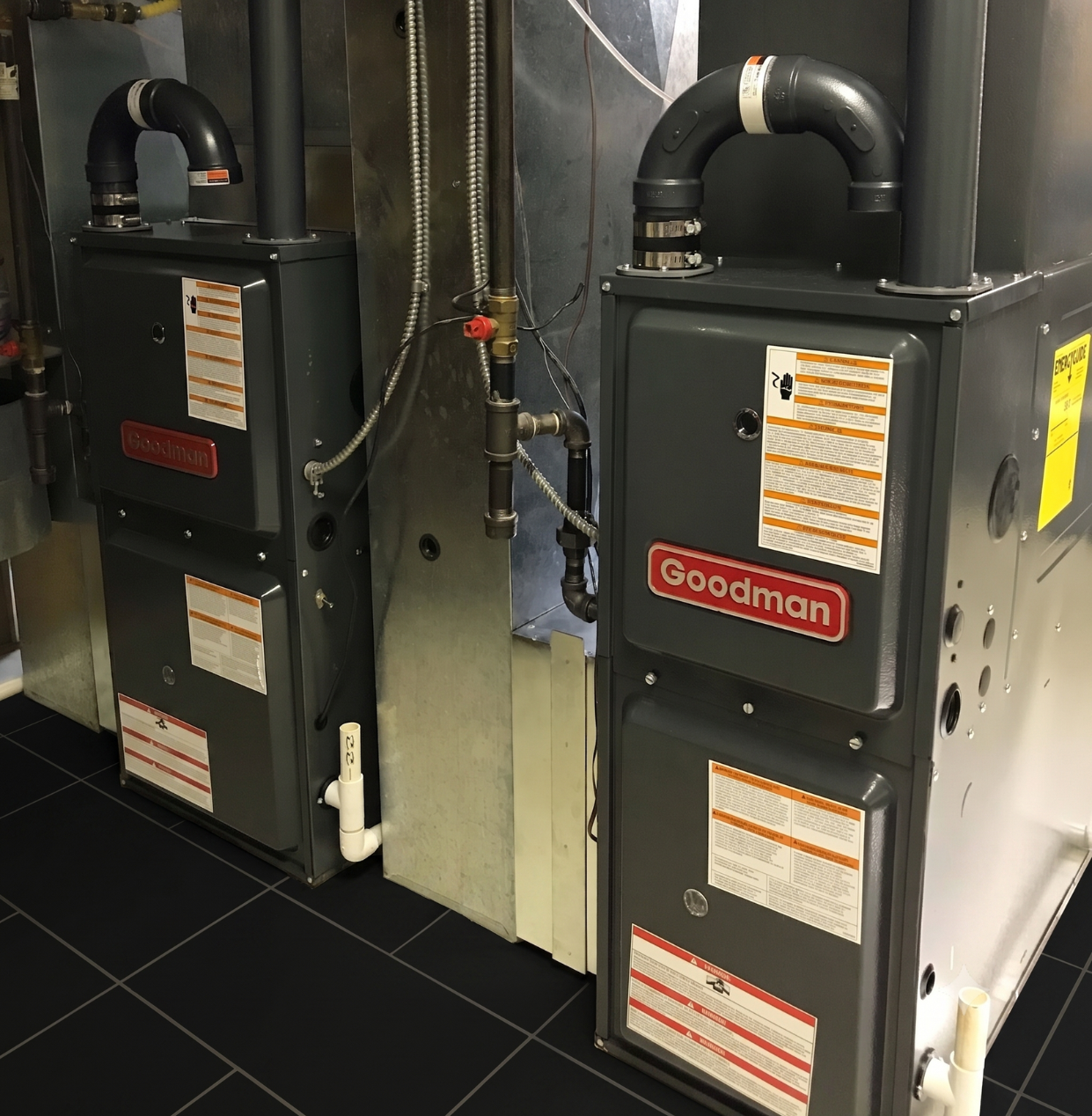
This is where AC maintenance in Kansas City becomes more than a yearly service. It can be part of a wider comfort strategy.
Quick examples from the field
A homeowner called late April because their AC would start, blow lukewarm air for a bit, and then shut down. When we checked the basics, the filter had been neglected and the evaporator coil was heavily loaded. Cleaning improved performance, but the blower also showed signs of wear, so the air handling needed attention. The result was not just “turn the system on,” it was restoring airflow and reducing the stress that would have killed the next component.
Another case involved a unit that worked fine last year, but this spring it would not start on the first attempt. The outdoor unit fan would twitch and stop. The system was trying, then failing. A capacitor and contactor-related issue caused unreliable starting. The repair restored consistent operation, and the homeowner was grateful they did it early, before a week of high humidity forced longer run times and more compressor stress.
These are not dramatic stories. They are typical. The key pattern is timing plus diagnosis.
When a start-up inspection leads to a repair versus an upgrade
Sometimes maintenance identifies a failing component that is reasonably priced to repair. Other times, the system reveals a history of stress. You might see an AC that is constantly cycling, struggling with airflow, or showing multiple component issues.
When that happens, it becomes a judgment call. Repairing one part may buy time, but if the system has multiple failing components, the smarter move can be replacement, especially when the system is older and efficiency is poor.
A professional technician should help you weigh that decision by looking at system age, the cost of repair, likely recurrence risk, and your comfort priorities. It should not be a sales script. It should be a grounded recommendation.
What to do right now if you are preparing for cooling season
If you are planning ahead, the best next step is simple: schedule a seasonal start-up inspection before you need the system to run for long stretches. That timing improves your odds of catching issues early and reduces the likelihood of an emergency failure.
And if you already see signs of trouble, address them now. If your air is not cooling evenly, if the system is short cycling, or if you hear strange noises, treating those symptoms as a “repair now” matter is usually the most cost-effective path.
Kansas City weather will eventually do its thing, hot and humid and relentless. A good inspection makes the system ready for that reality, not just ready for spring.
If you are looking for AC repair in Kansas City MO, HVAC repair in Kansas City MO, HVAC contractor in Kansas City MO, or help with AC installation in Kansas City, the most reassuring part is not the promise of cold air. It is the assurance that the system has been inspected the right way, with the right checks, before it is under full load.
When the first real hot day hits, you want the comfort in your home to feel boring. Cold air, steady operation, no surprises. That is the whole point of seasonal start-up inspections.
All 4 One Heating & Cooling
5828 Woodland Ave, Kansas City, MO 64110, United States
816-699-8366
[email protected]
Website: https://all4onekc.com/